Interior Painting Before Selling Your Home: The Complete Guide
Quick Summary
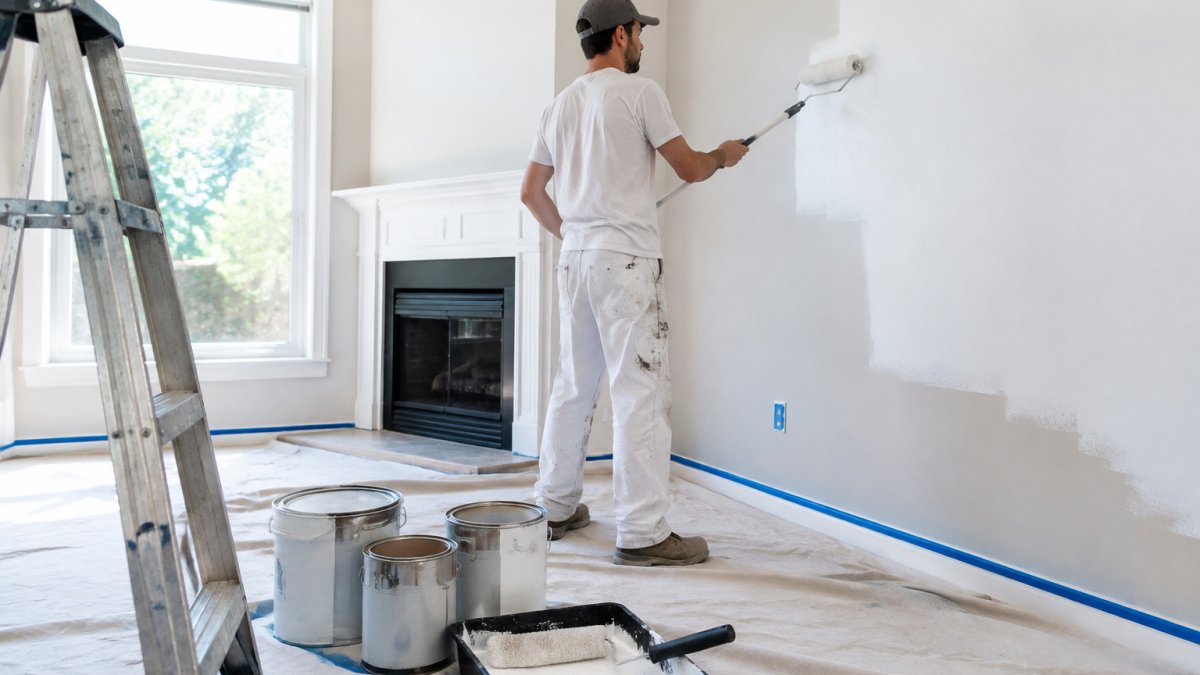
Interior painting before selling is usually worth it when walls are scuffed, stained, or dated, and less useful when they are already clean and neutral. Fresh neutral walls help buyers picture themselves in the space and make the home feel better maintained.
- Repaint when current paint is visibly tired, chipped, scuffed, or in polarizing deep colors.
- Skip a full repaint if walls are already clean and neutral; touch-ups may be enough.
- Choose a warm off-white or light neutral, applied consistently across connected rooms.
- Ask each painter to break quotes into labor, materials, and prep for each room.
- Prioritize the entry, main living area, and primary bedroom, since they anchor photos and buyer memory.
Table of Contents
- Should You Paint the Interior of Your House Before Selling It?
- Signs Your Walls Need Repainting Before Listing
- Should I Paint My Walls White Before Selling My House?
- Interior Painting Before Selling Home Cost: Budgeting for Each Room
- Touch-Up Paint Before Selling: Preparation That Actually Shows
- What Not to Fix When Selling a House
- Return on Investment and Realistic Outcome Ranges
- Getting an Estimate for Interior Painting Before Your Listing
- Frequently Asked Questions
Should You Paint the Interior of Your House Before Selling It?
Last Updated: November 10, 2026
Painting the interior of your house before selling is often one of the most cost-effective preparations a seller can make. Fresh, neutral walls help buyers picture themselves in the space, and worn or heavily personalized rooms can make a home feel smaller and less cared for. The right answer depends on the condition of the walls, the age of the home and the local market.
The short version: painting usually makes sense when walls are scuffed, stained, or painted in dark or dated colors. It makes less sense when the walls are already clean and neutral, or when your budget is better spent on a larger repair. Neither a fresh coat nor a full renovation guarantees a higher sale price, and any return you see will depend on your home and your market.
When Painting Is Worth It and When It Isn't
Painting tends to be worth the investment when the current paint is visibly tired. Common signs include chipped trim, scuffs near doorways, nail holes that have been patched but not blended, and walls in deep colors that many buyers find polarizing. In these cases, a repaint is a visible improvement that photographs well and shows well in person.
Painting is less likely to pay off when the walls are already clean and neutral. A well-kept home with light, consistent colors may only need touch-ups. Spending a large sum to repaint an already acceptable interior can leave little room in your budget for repairs that buyers notice more, such as a leaking faucet or a worn carpet.
Pros and Cons of Repainting Before Listing
The benefits of repainting before listing are practical. A uniform, neutral palette makes rooms look larger and brighter in listing photos. It also signals that the home has been maintained, which reduces the number of questions buyers raise during showings.
The drawbacks are real too. Repainting costs money upfront and may not be recovered in the sale price. It also adds a step to your timeline, since painting needs drying time before furniture goes back in and before photos are taken. If you are on a tight schedule, the disruption can outweigh the cosmetic gain.
Signs Your Walls Need Repainting Before Listing
Certain signs indicate that walls need attention before a showing. Look for scuffs and marks at door frames and hallways, yellowing or water staining near windows, peeling paint in bathrooms and kitchens, and areas where color has faded unevenly from sunlight. Visible patch lines, where a repair has been painted over without blending, are also a common reason buyers assume a home has not been cared for.
A simple test is to walk through the home with a critical eye in natural light. Note every room where the walls draw your attention for the wrong reason. Those rooms are usually the best candidates for repainting.
Should I Paint My Walls White Before Selling My House?
Painting walls white is a common choice for sellers, but white is not automatically the right answer. A warm off-white or light neutral often photographs and shows better than stark white, which can look cold under certain lighting. The goal is a clean, bright backdrop that does not compete with the home's features.
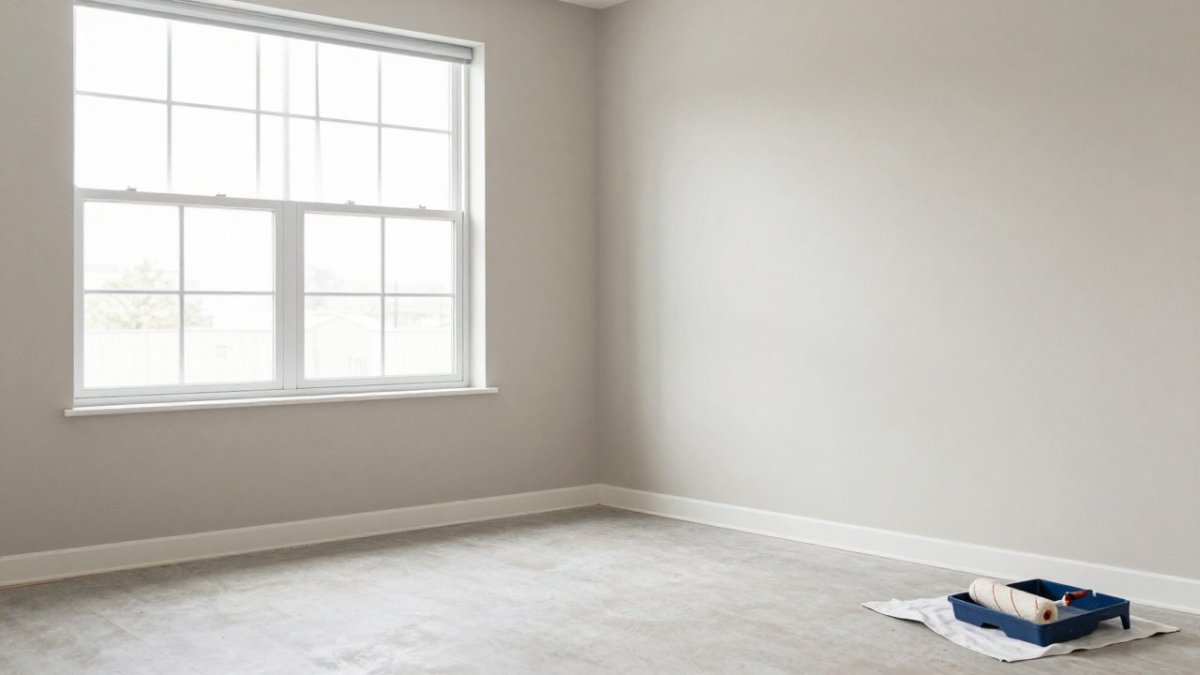
Many sellers find that light neutral tones are the safest option across different buyer tastes. Whichever shade you choose, apply it consistently across connected rooms so the flow of the home feels cohesive.
Neutral Colors Buyers Respond To
Neutral palettes such as soft whites, warm grays, greige and light beige are widely used by sellers because they allow buyers to project their own style onto the space. These colors also work well with a range of flooring and furniture. Keep trim and ceilings in coordinating tones so the overall look feels intentional rather than patched together.
When Bold or Dated Colors Hurt the Sale
Bold accent walls, deep jewel tones and highly specific colors can limit buyer appeal, especially when they are paired with dated decor. A room painted in a strong color may take longer for a buyer to mentally repaint, which can make the space feel smaller or less move-in ready. If you love a bold color, consider whether it can be toned down or limited to a single room before you list.
Interior Painting Before Selling Home Cost: Budgeting for Each Room
Interior painting costs depend on factors such as the square footage of paintable wall and ceiling surface, the amount of prep work, the number of coats and sheens specified, and whether you hire a professional or do the work yourself. Because those factors vary widely from home to home, the most useful way to budget is to build the estimate room by room rather than applying a single whole-house number.
A practical budgeting method is to price each room on three lines: labor, materials, and prep. Labor is usually the largest line and scales with wall height, ceiling height, and the amount of cutting in around trim, doors, and windows. Materials scale with square footage and the number of coats; two coats are standard for a color change, while a like-for-like refresh in the same color may need only one. Prep is the line sellers most often underestimate, and it is the line that most affects how the finished job looks in listing photos.
When you request estimates, ask each painter to break the quote into those three lines and to state the number of coats and the sheen for walls, ceilings, and trim separately. A quote that lists only a lump sum makes it impossible to compare bids or to cut scope intelligently. A written, room-by-room scope is one of the best ways to protect against change orders once the job starts.
DIY Versus Professional Painting: Time and Finish Quality
Doing the work yourself removes the labor line but adds a schedule risk that matters before a listing. Preparation, cleaning, patching, sanding, masking, and priming, typically consumes more time than the rolling itself, and it is the step most likely to be rushed when a seller is also packing, coordinating repairs, and preparing for photography. Common finish problems that show up in listing photos include lap marks where a wet edge dried before the next pass, flashing where patched areas were not spot-primed, and uneven sheen from mixing paint from different cans or applying coats too thin.
A professional painter can bring consistent prep and cleaner cut lines at trim and ceilings, and can plan a schedule around photography and showing dates. You can compare the real cost of hiring professional painters against doing the work yourself before you decide. Confirm availability before you commit to a paint scope, especially if your listing date is fixed. If you plan to DIY, budget your own hours honestly and consider limiting the DIY scope to touch-ups and one or two high-visibility rooms rather than the whole house.
Room-by-Room Priorities and a Decision Framework
Use a simple three-question framework for each room. First, is the paint visibly damaged, dated, or inconsistent with the rest of the home? Second, will buyers see this room prominently, on the listing tour, in photos, or on the path from the front door? Third, can a touch-up or a single accent wall solve the problem instead of a full repaint? Rooms that answer yes, yes, no are the best use of money.
In practice, the highest-priority rooms are usually the entry and foyer, the main living area, the kitchen-adjacent walls, and the primary bedroom, because those spaces anchor both photos and buyer memory. Hallways and secondary bedrooms often need only touch-ups unless the paint is peeling or the color is strongly dated. Bathrooms and kitchens deserve a closer look for moisture damage; peeling or bubbling paint there signals a maintenance issue buyers will notice, and it should be repaired before it is repainted.
Watch out: painting a single room in a different sheen or a slightly different white than the adjoining hallway can make the whole home look patched together in photos, so specify sheen and color across connected spaces before work begins.
What Drives the Price Up or Down
Several factors move an interior painting estimate more than sellers expect. Ceiling height and stairwells add labor because they require ladders, scaffolding, or extension poles. Extensive patching, wallpaper removal, or paint over glossy or failing surfaces adds prep time and may require a bonding primer. Color changes from dark to light usually require an extra coat, and trim and doors painted by hand rather than sprayed add labor. Conversely, keeping the existing color, limiting the scope to walls only, and clearing furniture and wall hangings before the crew arrives can reduce both labor and schedule.
When comparing bids, compare scope, not just totals. A lower bid that excludes ceiling paint, trim, or two-coat coverage is not the same job as a higher bid that includes them. Ask each painter what is excluded, how patched areas will be primed, and how many coats are included for walls, ceilings, and trim.
Here is how the three budget lines for each room compare, drawn from the cost discussion above.
| Budget line | What drives it | Note |
|---|---|---|
| Labor | Wall height, ceiling height, cutting in | Usually the largest line |
| Materials | Square footage and number of coats | Color change usually needs two coats |
| Prep | Cleaning, patching, sanding, masking, priming | Most often underestimated |
| Ceilings and stairwells | Ladders, scaffolding, extension poles | Add labor |
| Dark to light color change | Extra coat required | Adds material and labor |
Touch-Up Paint Before Selling: Preparation That Actually Shows
Touch-up work is often the most efficient way to improve a home's appearance. The key is preparation. Paint applied over dirty, greasy or flaking surfaces will not last, and visible repairs will show through.
Repairs, Patching, and Surface Preparation
Start by cleaning walls with a mild detergent to remove grease and scuffs. Fill nail holes and small dents with spackle, let it dry and sand smooth. For larger cracks, use an appropriate filler and, where needed, a bonding primer before topcoating. The step-by-step method for matching the repair to the crack type walks through each crack category. Spot-prime patched areas so the new paint absorbs evenly. Careful masking of trim, outlets and floors protects surfaces and keeps lines crisp. For a closer look at washing, patching and priming plaster surfaces, see how to prepare plaster walls for painting. A well-prepared wall looks uniform under showing lights, while an unprepared patch can stand out even after a full coat.
Low-VOC Paint, Ventilation, and Timing Around Showings
Some sellers choose low-VOC paints to reduce odors during and after the job, which can be helpful when the home will be shown soon after. Ventilate rooms during painting and allow adequate drying time before scheduling showings or photography. Plan the painting window so the home is fresh but not still smelling of fresh paint at the first open house.
What Not to Fix When Selling a House
Not every issue is worth fixing before a sale. Sellers often overspend on upgrades that buyers do not value as much as expected. Cosmetic changes that are highly personal, such as unusual fixtures or a very specific color scheme, may not add value. Large renovations, such as a full kitchen remodel, rarely return their full cost at sale. Focus instead on maintenance items buyers notice and that signal care: patched walls, working fixtures, clean floors and a consistent paint finish.
Return on Investment and Realistic Outcome Ranges
Interior painting rarely produces a clean, measurable return the way a roof replacement or a kitchen remodel can be modeled, because a sale price reflects the whole house, the pricing strategy, and the local pool of buyers at that moment. The more useful way to think about return is to separate three outcomes that painting can influence, and to judge each on its own terms.
The first outcome is sale price. Fresh, neutral paint can support the asking price by removing an objection buyers would otherwise use in negotiation. The second is time on market. A home that shows well in photos and in person tends to draw more showings and more offers, which can shorten the listing period. The third is buyer perception. Paint is one of the cheapest ways to make a home feel maintained, and that perception can reduce the number and size of repair requests after inspection.
A common pattern is that sellers recover a meaningful share of painting cost through a combination of a smoother negotiation and fewer concessions, rather than through a line-item increase in the sale price. Treat any single national return figure with caution; returns vary by price point, market conditions, and the scope of the project, and a whole-house repaint in an already-neutral home is a different investment than a targeted refresh of dated or damaged rooms.
A Practical Way to Estimate Your Own Return
Rather than relying on an average, estimate your return by comparing the cost of painting with the likely cost of buyer concerns. List the objections a buyer could raise about your walls, scuffs, dated colors, patched areas, peeling trim, and estimate what a buyer might request as a credit or price reduction for each. If the combined likely concession approaches or exceeds the painting estimate, painting is the more economical choice. If the walls are already clean and neutral, the same math usually favors leaving them alone and spending the budget on repairs buyers notice more.
It also helps to separate cosmetic paint from maintenance paint. Peeling paint in a bathroom or around windows is a condition issue, not a styling choice, and addressing it protects you from inspection findings. Cosmetic repainting in good-condition rooms is optional and should be judged on whether the current color or finish is likely to narrow your buyer pool.
How Market Conditions Change the Math
In a market with few competing listings and strong demand, buyers may overlook dated paint, and the return on a full repaint is lower. In a market with more inventory, buyers compare homes directly, and neutral, well-maintained walls help a listing compete. Price point matters too: at lower price points, buyers often expect to paint themselves and may discount the value of fresh paint, while at higher price points, finish quality and consistency carry more weight in buyer impressions.
Watch out: promising yourself a specific return before you have a written painting scope and a realistic pricing strategy is the most common way sellers overspend on cosmetic work; decide the scope first, then judge the return against the objections that scope actually removes.
Getting an Estimate for Interior Painting Before Your Listing
If you are ready to get pricing, start by listing the rooms you want painted, noting any repairs needed and identifying your preferred colors or finish. Cityscape Painting Company LLC provides professional interior and exterior painting throughout Grass Valley, Nevada City and Nevada County, with careful surface preparation to protect your home. Our owner-operated team focuses on listening to client needs. Request a Cityscape estimate for interior painting, and we will walk through your options before you commit.
Frequently Asked Questions
Should I paint the interior of my house before selling it?
Often, yes, but only where the paint is visibly worn, scuffed, or dated. Buyers form first impressions from listing photos and showings, and dingy or mismatched walls can make a home look neglected. Repainting in a neutral color is usually the most reliable choice when the existing paint is in poor condition. Pricing for a full interior job varies with square footage, wall condition, and finish, so request a written estimate from Cityscape Painting Company LLC before deciding.
Should I paint my walls white before selling my house?
A soft white or warm neutral is a common choice because it reads as clean and works with most furniture and décor. Stark white can look cold in some light, so compare samples on the actual walls. Avoid bold or heavily personalized colors, which can make buyers picture the cost of repainting. The right neutral depends on the room, its natural light, and the home's style.
How much does interior painting before selling a home cost?
Cost depends on the number of rooms, total wall and ceiling area, the condition of the surfaces, the paint finish, and whether repairs such as patching or drywall texture work are needed. Cityscape Painting Company LLC does not publish flat rates, so costs cannot be stated here. Compare written estimates that list what is included, such as masking, prep, number of coats, and trim work. Your estimate will be specific to your home.
What not to fix when selling a house?
Skip major upgrades that rarely return their cost at sale, such as full kitchen remodels or new roofing when the current roof is sound. Buyers often prefer to choose their own finishes, so cosmetic overhauls of rooms in working order can be wasted spending. Focus on repairs that affect safety, function, or first impressions, such as leaks, broken fixtures, and visible wall damage, and leave the rest to the buyer.
Can touch-up paint make a home more appealing to buyers?
Yes, when touch-ups are done carefully. Patching nail holes, scuffs, and small cracks, then blending paint to match the surrounding wall, can make walls look cared for at low cost. Touch-ups fail when the color or sheen does not match, leaving visible patches under listing photo lighting. If the walls are faded or the patches are extensive, a full repaint of the affected room usually looks better.
What rooms should I paint before listing my home?
Start with the rooms buyers see first and spend the most time in, such as the entry, living areas, kitchen, and primary bedroom. Bathrooms and hallways with visible scuffs or stains come next. Rooms with bold colors or heavy wear usually benefit most. Prioritize by condition and visibility rather than repainting every room by default.
Is it better to repaint or offer buyers a credit?
A repaint is often the better option when the work is modest and the color is a clear problem, because buyers tend to respond more favorably to a finished, move-in-ready look than to a price concession. A credit can make sense when repainting is extensive, timing is tight, or the walls are in good condition and buyers have specific color preferences. Compare the cost of the repaint against the likely effect on the sale price and time on market.
How long does interior painting take before a listing?
Timing depends on the size of the home, the number of coats, drying time between coats, and how much prep work is needed. Paint also needs time to cure before furniture and staging go back in. Plan enough lead time to finish before professional photos and showings. Cityscape Painting Company LLC can discuss your timeline when you request an estimate.
