Why Professional Painters Are Worth the Cost
Quick Summary
Professional painters are worth the cost because their quotes cover preparation, materials, protection and cleanup that DIY budgets usually miss, and they often finish faster with a written workmanship warranty. Compare quotes on the same scope to see the true difference, since the lowest bid often leaves out preparation steps.
- Preparation such as patching, caulking and priming largely determines how long a paint job lasts.
- Time spent on DIY preparation, taping, and rework is a real cost that a quote already includes.
- Compare every painting quote against the same scope before deciding which one offers better value.
- Confirm proof of liability insurance and a written contract before signing with any painter.
- Check that the workmanship guarantee is in writing and separate from the paint manufacturer's warranty.
Table of Contents
- What You Actually Pay for When You Hire a Professional Painter
- Professional Painter vs. DIY: An Itemized Cost Comparison
- How Long a Professional Takes to Paint a Room (and Why It Matters)
- How to Compare Painting Quotes Without Getting Fooled by the Lowest Bid
- Booking Your Estimate for Your Grass Valley Project
- Frequently Asked Questions
What You Actually Pay for When You Hire a Professional Painter
Hiring professional painters usually costs more upfront than doing the job yourself, and the difference is easy to misread.
A useful way to read an estimate is to ask what is included.
Preparation is the part most homeowners underestimate, and it is where professional painters earn their fee.
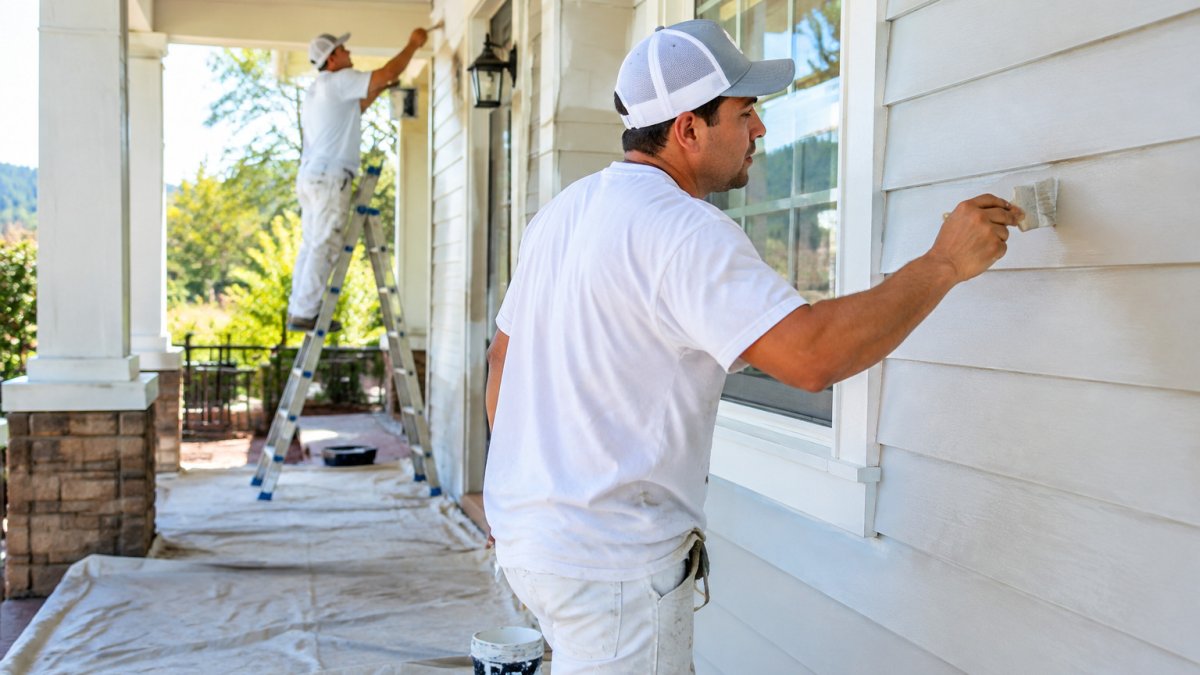
Exterior work adds other line items. Siding, stucco, soffits, fascia, trim, and doors each need their own prep and finish, and a coordinated color scheme takes planning.
Professional Painter vs. DIY: An Itemized Cost Comparison
DIY painting looks cheaper because the largest visible expense, labor, drops to zero. The real comparison includes materials, tools, time, and the risk of rework.
Build two side-by-side budgets for the same room. On the DIY side, list every purchase and every hour. On the professional side, list the quoted price and what it includes. The gap is what you are actually paying for preparation, speed, and a warranty.
The DIY Line Items Homeowners Forget
A typical single-room DIY project includes:
- Paint and primer. Two finish coats plus primer for patched areas. Higher-grade interior paint generally covers better and touches up more cleanly than builder-grade flat, but costs more per gallon.
- Application tools. Rollers, roller covers, brushes (a quality 2- to 2.5-inch angled sash brush for trim), extension pole, and a paint tray.
- Preparation supplies. Drop cloths, painter's tape, patching compound, sanding sponges, caulk, and a caulk gun.
Add those up and the DIY total is rarely just the price of a gallon of paint.
Putting a Value on Your Time
Labor is the line item DIYers skip, but it decides the comparison. Estimate your hours honestly: preparation, taping, cutting in, rolling, drying between coats, and cleanup.
Multiply your hours by a fair hourly rate, what your time is worth, or what you could earn in those hours.
Watch out: if you value your time at even a modest rate, the DIY "savings" can shrink considerably, and disappear entirely if the job needs a second attempt.
The Rework Multiplier
DIY budgets usually assume the job goes right the first time. When it does not, the cost doubles in materials and labor. Common rework triggers include lap marks from rolling over tacky paint, uneven coverage from stretching a gallon too far, poor sanding that shows through the finish, and missed priming over patches that later flash.
A professional quote should price in the preparation that prevents much of that rework. That is part of what the higher number buys.
A Transparent Example Budget
Consider a standard 12-by-12-foot bedroom with eight-foot ceilings, light patching, and trim to be painted. The exact numbers vary by market and paint grade, but the structure is what matters:
- DIY materials: paint and primer, rollers and brushes, tape, drop cloths, patching compound, sandpaper, and caulk.
- DIY equipment: ladder or step stool, extension pole, and any tools you do not already own.
- DIY labor: your estimated hours multiplied by your hourly value.
Compare that total to a professional quote that itemizes preparation, two coats, materials, protection, and cleanup. Side by side, a professional price can be closer to the DIY total than the sticker shock suggests, and a professional contract can include a warranty and a fixed completion date.
Where DIY Still Wins
DIY can be a sound choice in some situations. A single accent wall in a low-traffic room, a closet, or a small hallway with simple trim is a reasonable project for someone with patience and time.
Be realistic about your skill, schedule, and the height and complexity of the job. High ceilings, historic plaster, and extensive exterior trim are where professional experience pays off most, and where the DIY rework multiplier is largest.
How Long a Professional Takes to Paint a Room (and Why It Matters)
A professional crew typically paints a standard room faster than a homeowner, because they have the equipment, the sequence down, and the experience to cut in cleanly.
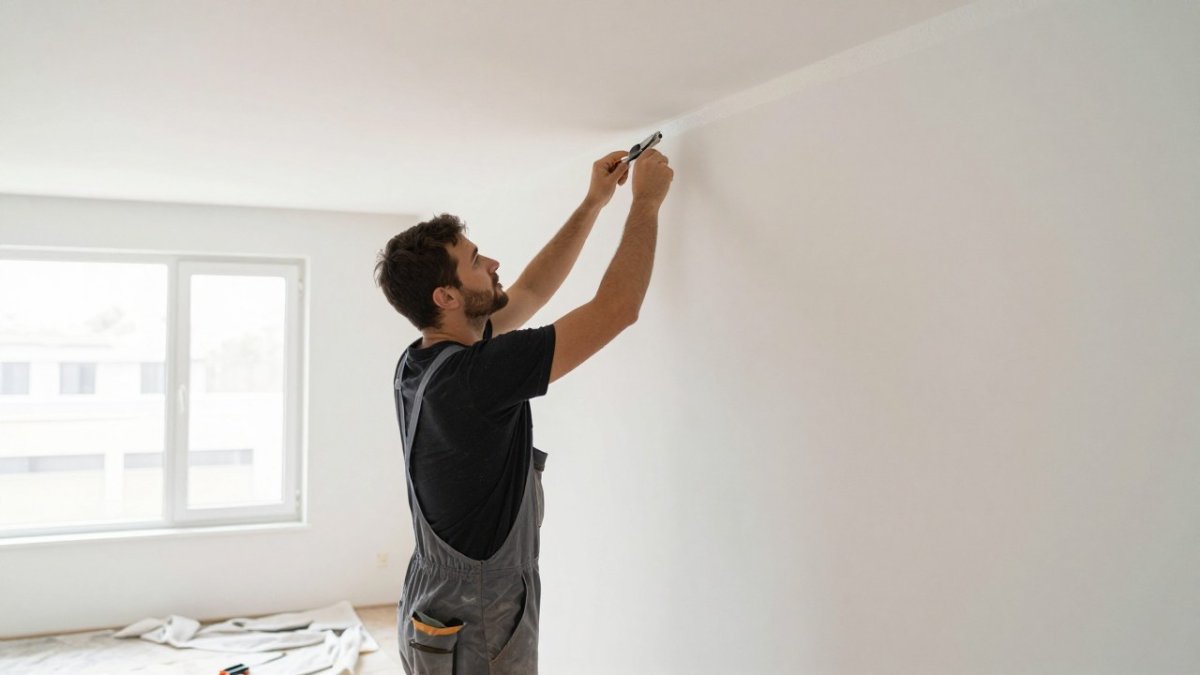
Speed matters beyond convenience. A shorter project means less disruption, fewer days with furniture moved and rooms closed off, and a sooner return to normal use.
Preparation takes time too, and that time is part of the quality.
How to Compare Painting Quotes Without Getting Fooled by the Lowest Bid
Price is only one column in a comparison. Compare what to ask contractors before you request an estimate. Put every quote on the same scope before you decide, or you are comparing different jobs.
Step 1: Normalize the Scope
Start by checking that each estimate covers the same rooms, surfaces, and finish level. Confirm whether trim, ceilings, doors, and cabinets are included. Then build a scope checklist and mark each quote against it:
- Preparation. Does the quote list patching, caulking, sanding, and priming? How many coats of primer where needed?
- Coats. How many finish coats are included, one or two? Two is the standard for a durable result.
- Materials. What paint brand and grade is included? Ask for the product line, not just the brand.
A quote far below the others often means something on that list has been left out. Ask the lower bidder to walk through the scope line by line. If the difference disappears once the scopes match, you have learned something useful. If the cheaper painter simply uses less preparation or thinner paint, the lower number is not a better deal.
Step 2: Verify the Painter Before You Sign
Scope matching tells you what you are buying. Verification tells you whether the company can deliver it. Before you commit:
- Ask for references from jobs similar to yours, same surface type, similar size, and recent enough to be relevant. Call them and ask about preparation, punctuality, and cleanup.
- Request proof of liability insurance and, where required, workers' compensation coverage. A legitimate contractor can provide a certificate of insurance.
- Confirm licensing where applicable. Licensing rules for painting contractors vary by state and locality; ask what applies to your project and verify it through the issuing agency.
Watch out: a contractor who cannot produce a certificate of insurance or a written contract is a hiring risk that no low bid offsets.
Step 3: Read the Payment Terms
Payment structure tells you a lot about how a contractor operates. A common pattern is a modest deposit to schedule and reserve materials, with progress payments tied to milestones and a final payment after a walkthrough. Be cautious of requests for most or all of the money upfront, and of large cash-only arrangements with no paper trail.
Step 4: Compare Like With Like
Once every quote is on the same scope and every contractor has been verified, compare the totals.
Keep the comparison focused on what you are actually buying: a finished surface that holds up for years, applied by someone who will still be reachable if something goes wrong.
Before comparing totals, check that each quote covers the same scope. The table below summarises the checklist the article gives.
| Scope item | What to confirm | Why it matters |
|---|---|---|
| Preparation | Patching, caulking, sanding, priming | Drives how the finish looks and lasts |
| Coats | Number of finish coats included | Two coats is the standard for durability |
| Materials | Product line and grade | Paint grade affects coverage and touch-ups |
| Protection | Furniture moving, floor protection, masking | Can be billed separately |
| Cleanup | Daily cleanup and material haul-away | Often left out of low bids |
| Exclusions | What is not covered | Reveals gaps behind a low price |
| Warranty | Written workmanship guarantee | Covers the application, not just the paint |
Booking Your Estimate for Your Grass Valley Project
If you are planning interior or exterior work in Grass Valley, Cityscape Painting Company LLC can walk through your project, explain the preparation involved, and give you a written estimate with a clear scope.
To get started, request a detailed estimate from Cityscape Painting Company LLC and describe the rooms, surfaces, and timeline you have in mind. For exterior projects, see the exterior painting service page for coverage of siding, stucco, soffits, fascia, trim, and doors. Interior work is covered on the interior painting page, which outlines walls, ceilings, trim, and the masking and surface preparation involved.
Our team will review your scope, confirm what is included, and answer questions before you commit. Start from the Grass Valley painting services page to book your estimate.
Frequently Asked Questions
Is it worth paying a professional painter?
For most projects, yes, though the answer depends on the scope and your own time. A professional brings prep work such as patching, sanding, priming and caulking, which is where many DIY paint jobs fall short. Professionals also typically work faster, protect furniture and floors as a matter of routine, and back their work with a warranty. If the project is a single small room with good existing walls, DIY can be reasonable. For full interiors, exteriors, older homes or anything you plan to sell, a professional usually delivers a finish that lasts longer and looks better.
How can I compare quotes from professional painters?
Compare quotes line by line rather than by the total. Check whether each bid includes surface preparation such as drywall texture patches, nail-hole filling and caulking, the number of coats, the paint grade, masking and protection, cleanup, and the warranty. A quote that is much lower often leaves out prep or uses a lower-grade paint, which means a shorter lifespan. Ask each painter what they will do for prep, which product they will use, and how long the work will take, then compare the answers rather than the price alone.
How long does it take a professional painter to paint a room?
A professional painter's timeline for a standard interior room depends on size, the condition of the walls, and whether ceilings and trim are included. Most of that time goes to preparation, priming and drying between coats rather than the final color. Repairs to cracks or old plaster add time. Ask your painter for a schedule so you know when the room will be usable again and how the work will be sequenced around your household.
What should I ask before hiring a painting contractor?
Ask whether the painter is licensed and insured, and request proof of both. Ask who will be on your job, whether they are employees or subcontractors, and what surface preparation is included. Request references from recent projects, ideally similar to yours, and ask how they protect furniture, floors and landscaping. Confirm the paint brand and grade, the number of coats, and the warranty terms in writing before you sign anything.
