How Do You Prepare Plaster Walls for Painting?
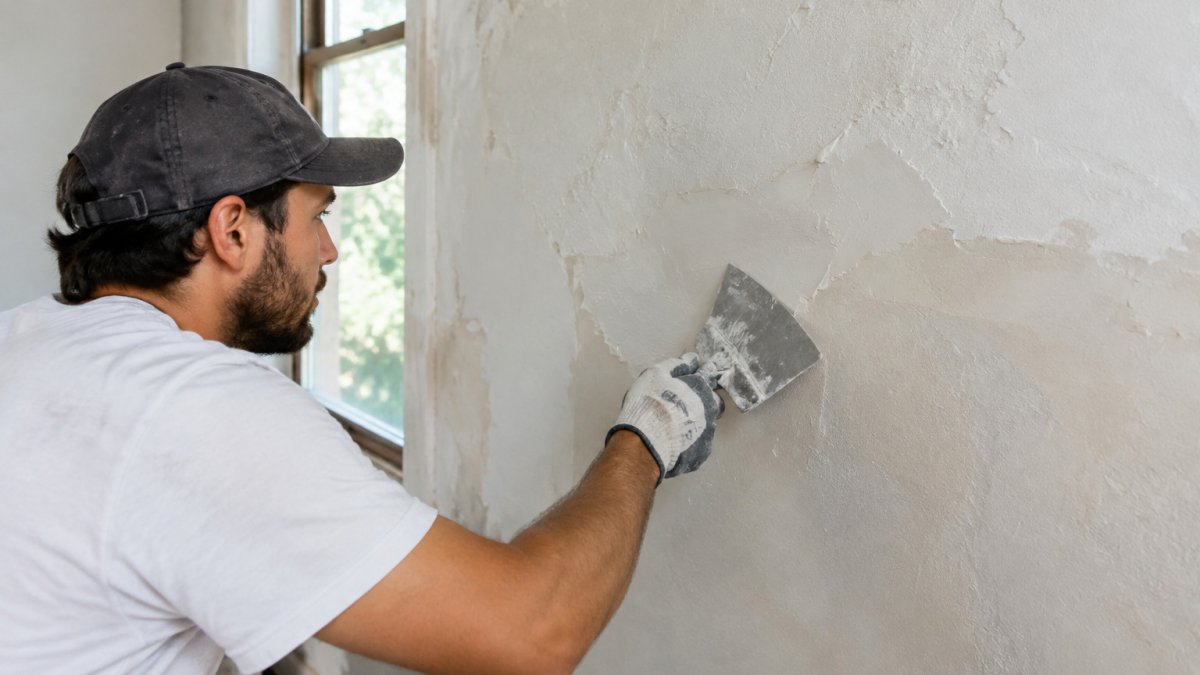
Last Updated: November 5, 2026
Quick Summary
Prepare plaster walls for painting by cleaning, repairing, sanding, and priming in that fixed order. Wash off grease and soot, cut out loose or hollow material, fill cracks in thin coats, sand with 120 then 220 grit, and wipe away dust before priming.
- Homes built before the late 1970s may carry lead paint, so test before you sand.
- Fill hairline cracks with spackle and deeper holes with joint compound in two thin coats.
- Bonding primer evens out uneven absorption over patched and mixed surfaces.
- Painting latex straight onto bare, chalky plaster is the fastest route to peeling.
- Tape plastic sheeting to the wall and check after a day for condensation.
Table of Contents
- Can You Paint Old Plaster Walls?
- Step-by-Step: Cleaning, Patching, and Sanding Plaster Walls
- Choosing the Best Primer for Old Plaster Walls
- How Long Should Plaster Dry Before Painting?
- Frequently Asked Questions
Can You Paint Old Plaster Walls?
Yes, you can paint old plaster walls, and the results can outlast any drywall finish when the surface is prepped correctly. Plaster is a mineral surface, not paper-faced gypsum board, so paint bonds differently.
Plaster walls are built from a scratch coat, a brown coat, and a thin finish coat troweled over wood lath or masonry. For older homes with distinctive architectural features, you can request a Cityscape estimate. That layered structure is why plaster feels dense and cool to the touch, and why the wall can look sound while hiding hollow, crumbling spots underneath.
Age matters. Homes built before the late 1970s may carry lead paint on the plaster. The EPA lead-safe renovation guidance requires certified handling when disturbing painted surfaces in pre-1978 housing. Test before you sand. Always.
Step-by-Step: Cleaning, Patching, and Sanding Plaster Walls
Preparing plaster walls for painting follows a fixed order: clean, repair, sand, prime. Skipping a step causes paint failure later, usually peeling along cracks or over patched spots.
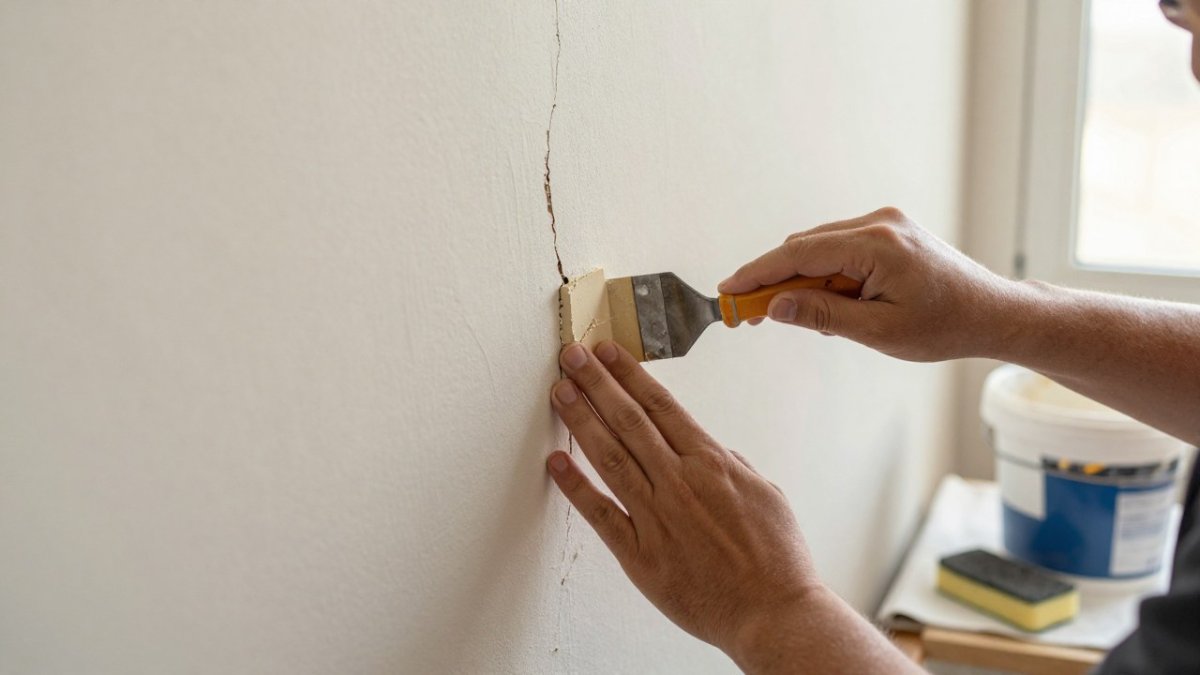
The woman is American.
Step 1: Wash the walls. Grease, soot, and cooking film stop primer from bonding, even when the wall looks clean. Use a degreasing solution, or trisodium phosphate (TSP) for heavy soil, then rinse.
Step 2: Remove loose material. Probe cracks with a putty knife. Anything that crumbles or sounds hollow comes out. Wide, stable cracks get widened slightly so filler can key in.
Step 3: Patch. Fill hairline cracks with spackle. Deeper holes and chases take joint compound or patching plaster in two thin coats, each dried fully.
Step 4: Sand. Sand patches with 120-grit, then finish with 220-grit. Feather edges so no trowel marks show under raking light.
Step 5: Remove dust. Wipe with a tack cloth. Dust left behind is one of the top causes of paint failure on plaster.
| Step | What You Do | Watch For |
|---|---|---|
| Clean | Degrease and rinse | Soap residue blocks bonding |
| Remove | Cut out loose plaster | Hollow spots hide rot |
| Patch | Fill in thin coats | Thick coats crack |
| Sand | 120 then 220 grit | Trowel marks catch light |
| Dust | Tack cloth wipe | Dust kills adhesion |
If a crack keeps returning, the cause may be structural movement rather than the surface. Our guide on how to fix cracks in plaster walls walks through matching the repair to the crack type before you paint over it.
Choosing the Best Primer for Old Plaster Walls
For old plaster walls, bonding primers and alkali-resistant primers are commonly used; check product labels for suitability to your surface. Plaster is porous and often alkaline, and ordinary primer can fail to seal either condition.
Old plaster drinks primer unevenly: patches absorb fast, original finish coats absorb slowly. A bonding primer evens that out and gives the topcoat one consistent substrate.
- Bonding primer: best over patched and mixed surfaces
- Alkali-resistant primer: best where efflorescence or chalky residue appears
- Oil-based primer: strong stain and tannin blocking, slower dry
- Mist coat: a thinned first pass that soaks in and locks down dust
Watch out: painting latex straight onto bare, chalky plaster is the fastest route to peeling paint. Seal first. For more color and finish guidance, our painting tips and inspiration cover how primer choice affects the final sheen.
How Long Should Plaster Dry Before Painting?
Plaster should dry until it has cured enough to accept paint, which often takes longer than it looks like it needs. Fresh patching compound needs full curing, not just surface dryness. Cool, humid conditions stretch that timeline considerably.
Moisture testing settles the question. Tape a square of plastic sheeting to the wall, seal the edges, and check after a day. Condensation under the film means moisture is still moving through the plaster. Paint over that and you trap it, and trapped moisture blisters paint from behind.
Paint and primer need surface and air temperatures within the manufacturer's stated range, and good airflow speeds curing. Damp basements and north-facing rooms dry slowest.
You can request an estimate when the walls are ready.
Frequently Asked Questions
Can you paint directly over old plaster walls?
Yes, you can paint over old plaster walls, but only after proper preparation. The surface must be clean, free of loose material, and repaired where cracked. A bonding primer is essential to seal porous plaster and ensure paint adhesion. Skipping prep leads to peeling paint and a finish that fails within a year. For older homes, test for lead paint before sanding.
What is the best primer for old plaster walls?
For old plaster walls, a high-quality bonding primer or oil-based primer works best. Alkali-resistant primer is ideal if the plaster shows efflorescence or high pH. Avoid cheap water-based primers on bare plaster because they can raise the grain and fail to seal porosity. If the walls are previously painted and sound, a latex bonding primer is sufficient. Always match the primer to the substrate condition.
How long should plaster dry before painting?
Plaster cure time depends on humidity, thickness, and the product used, so follow the manufacturer's drying guidance. Make sure any dampness is resolved before applying primer, and consider a moisture test if unsure.
Preparing plaster walls is slow, detailed work, and that is exactly why it lasts. If you own an older home with original plaster and want a finish that holds, Cityscape Painting Company LLC brings careful surface preparation, precise masking, and coordinated trim and wall finishes to every project. Get started with Cityscape Painting Company LLC and request an estimate for walls that look right for years, not months.
