How Can You Prevent Exterior Paint Peeling?
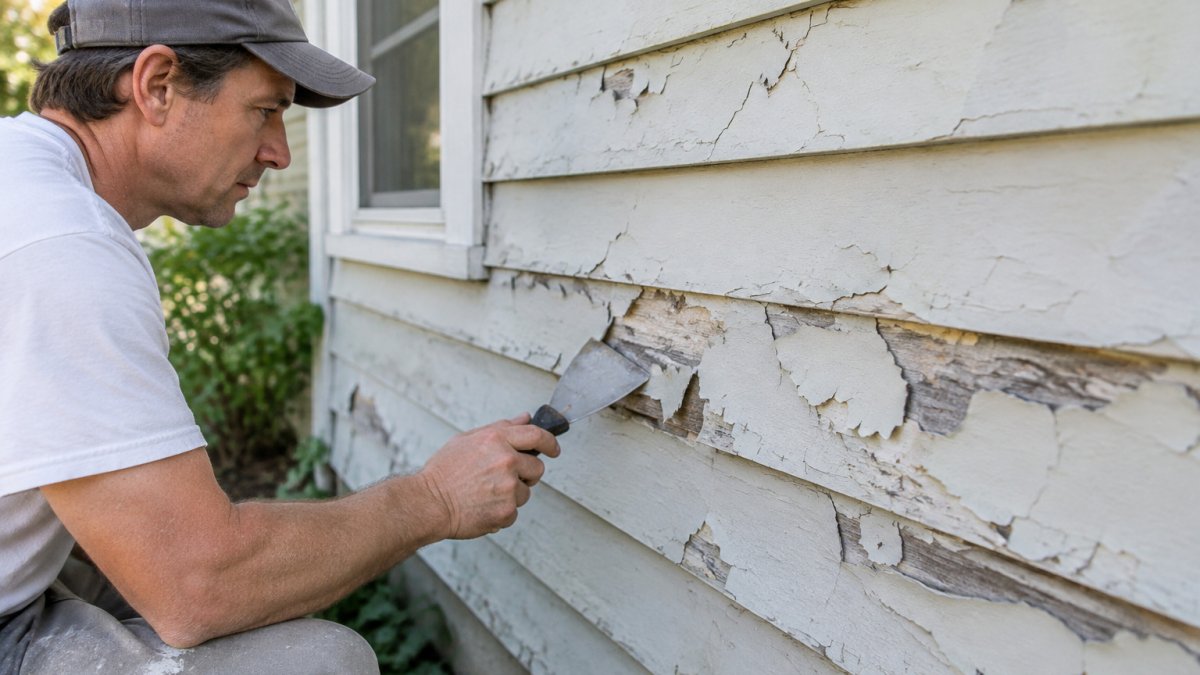
Last Updated: November 13, 2026
Quick Summary
Preventing exterior paint peeling means fixing the moisture or preparation problem behind it: remove loose paint, clean and sand the surface, spot-prime bare spots, and repaint with a coating matched to the material. Painting over damp wood or skipping primer guarantees the new coat fails.
- Peeling is rarely a paint problem; it is usually a water or preparation problem.
- Scrape loose paint, sand edges smooth, wash, dry, then spot-prime before topcoating.
- On concrete and masonry, use a breathable coating and fix the water source first.
- Trim needs primer on every cut face, and joints should be caulked only when dry.
- Prep matters more than paint brand for how long exterior paint lasts.
Table of Contents
- Diagnosing Why Exterior Paint Peeling Keeps Coming Back
- How to Fix Peeling Paint on the Outside of a House
- How to Prevent Exterior Paint Peeling on Concrete and Masonry
- Painting Exterior Trim That Is Peeling
- How Long Does Exterior Paint Last?
- Your Prevention Checklist
- Frequently Asked Questions
Diagnosing Why Exterior Paint Peeling Keeps Coming Back
Exterior paint peeling is the loss of adhesion between a coating and the surface beneath it, and it almost always traces back to moisture, poor surface preparation, or the wrong coating for the material. Across many homes, peeling is rarely a paint problem; it is usually a water or preparation problem.
Peeling near the bottom of a wall points to splash-back or rising damp, under eaves and around windows to leaks, in broad sheets to prep or a bad coating choice, and in tight alligator-cracked patterns on old wood to too many coats.
If dirt and chalk are a likely culprit, exterior cleaning as a standalone service or preparation for painting is often the right first step.
How to Fix Peeling Paint on the Outside of a House
Fixing peeling paint on the outside of a house means removing every loose and flaking edge, cleaning and sanding, priming bare spots, and only then repainting with a coating matched to the material. Skip a step and the peeling returns within a season or two.
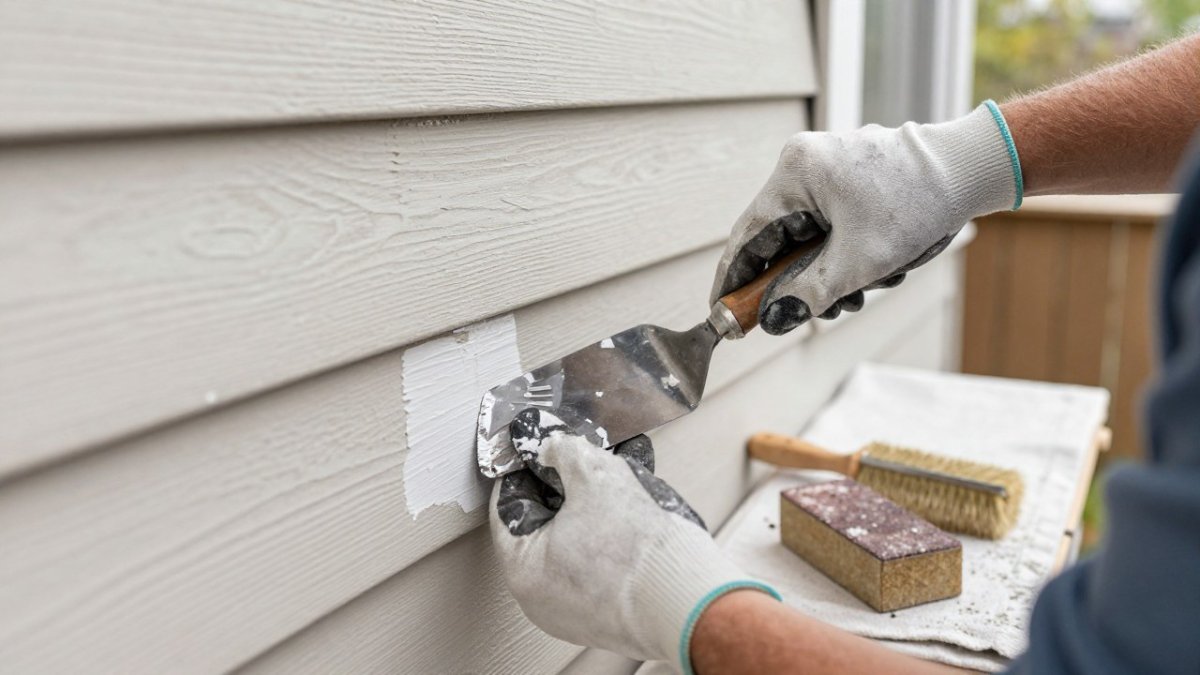
Scrape all loose paint and probe edges with a putty knife; wire-brush bare spots and sand edges smooth; wash, rinse, and dry completely; spot-prime bare surfaces with an exterior primer, using a peel-sealing primer on problem areas; then apply the topcoat within the primer's recoat window.
Painting over damp wood traps moisture and guarantees the new coat fails, so check moisture before you prime. Skipping the feathering step lets a hard paint edge telegraph through the finish and gives water a place to start lifting again.
If scraping reveals more repair than you want to take on, or the home has original details worth protecting, this is where most owners weigh whether professional painters are worth the cost. Painting that respects the details matters as much as the coating, and a coordinated exterior finish across siding, stucco, and trim makes the repair invisible.
How to Prevent Exterior Paint Peeling on Concrete and Masonry
Preventing exterior paint peeling on concrete and masonry comes down to letting the wall dry fully, using a coating that can breathe, and sealing water out at the source.
Concrete and stucco are porous and release moisture slowly; a tight, non-breathable coating on a damp wall pushes the film off from behind, which is why masonry failures often look like uniform blistering rather than isolated flakes.
Let new masonry cure fully and test for moisture; use a masonry primer and sealer plus a breathable masonry or acrylic coating; fix the water source first (grade, downspouts, sprinkler splash, cracks); and fill cracks and patch spalled areas before coating.
Choosing a coating that survives harsh summer sun and wet winters is the heart of prevention; our guide to exterior paints that hold up in Nevada County sun walks through those options.
Painting Exterior Trim That Is Peeling
Exterior trim is where peeling shows up first and is hardest to make last, since more edges, joints, and exposure take water from every direction.
The fix is the same sequence scaled down, scrape, sand, clean, prime, paint, but trim edges and end grain need primer on every cut face, and joints should be caulked only after the area is dry.
Latex and acrylic paints work well on properly primed trim; on bare wood an oil or bonding primer helps the topcoat grip, and on metal trim sanding to dull the sheen and using a metal primer helps adhesion.
How Long Does Exterior Paint Last?
Exterior paint lifespan depends on the coating, surface, and weather; a properly prepped and primed job commonly holds up for several years, with trim and sun-facing walls needing attention sooner.
Prep matters more than paint brand: two homes on the same street with the same coating can differ by years based on how the surface was cleaned, scraped, and primed.
Your Prevention Checklist
| Problem | Likely Cause | Fix | Prevention |
|---|---|---|---|
| Blistering near ground | Splash-back or rising damp | Fix grade and drainage | Keep soil below siding |
| Peeling under eaves | Roof or gutter leak | Repair leak, then repaint | Annual gutter check |
| Sheet peeling on a wall | Poor prep or wrong coating | Strip, clean, prime | Clean and prime first |
Peeling paint is a symptom, and treating it without finding the cause means repainting the same wall every other year. Cityscape Painting Company LLC provides careful surface preparation and painting services for homes and businesses throughout Grass Valley, Nevada City, and Nevada County. Request an estimate for your exterior.
Frequently Asked Questions
Why does my exterior paint keep peeling?
Peeling almost always traces back to three causes: trapped moisture pushing the coating off, poor paint adhesion from a dirty or chalky surface, or inadequate preparation such as painting over loose, flaking paint. If the same wall peels repeatedly, look for a moisture source first, such as failing caulk, a leaking gutter, or interior vapor escaping through the wall. Fixing the water path matters more than any primer.
Can I paint over peeling exterior paint?
No. New paint applied over flaking or loose coating will lift the old layer with it, and the new finish fails within a season. Scrape all loose and flaking paint back to a sound edge, sand the transition smooth, clean the surface, and spot-prime bare areas before applying the finish coat. Skipping this step is the most common reason repainting jobs fail early.
How many years should exterior paint last?
A properly prepped and applied exterior coating typically holds for about five to ten years, with wood siding and trim on the shorter end and masonry on the longer end. Sun exposure, humidity, and freeze-thaw cycles shorten that window. Inspect caulk lines and south-facing walls each spring, and touch up small failures before they spread into full repaints.
